Species & Systems
Specialist Species and Wider Industry Context
Beyond the mainstream species, aquaculture includes ornamental fish, seaweed, bivalves and emerging finfish. This page introduces those possibilities and sets species choices in the context of the wider industry.
Asian seabass (barramundi)
Lates calcarifer
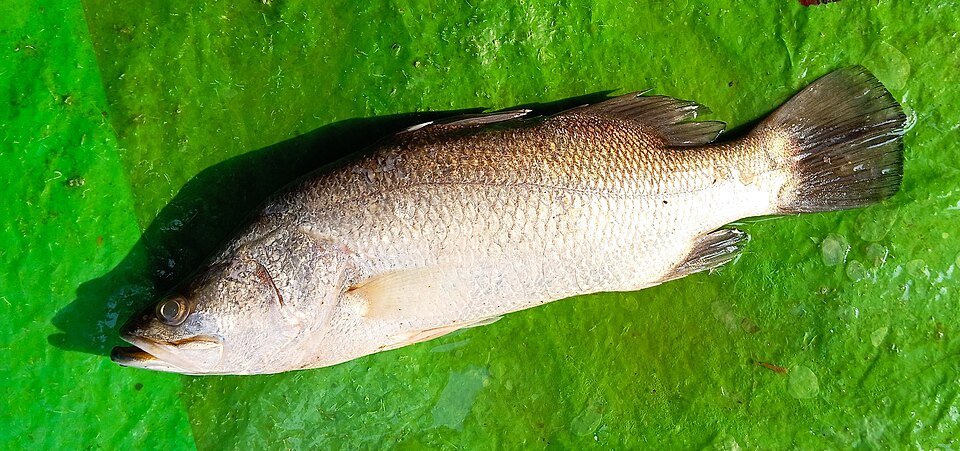
Photograph: Salil Kumar Mukherjee · CC BY-SA 4.0. Depicted: Lates calcarifer. Wikimedia-provided thumbnail downloaded without further image edits; source page records any earlier changes.
_1.jpg)
- Carnivorous finfish adaptable to freshwater, brackish and marine conditions.
- Farmed in cages, ponds and RAS; accepts formulated feed.
- Cannibalism in juveniles requires grading; hatchery seed available from government and private hatcheries.
Milkfish
Chanos chanos
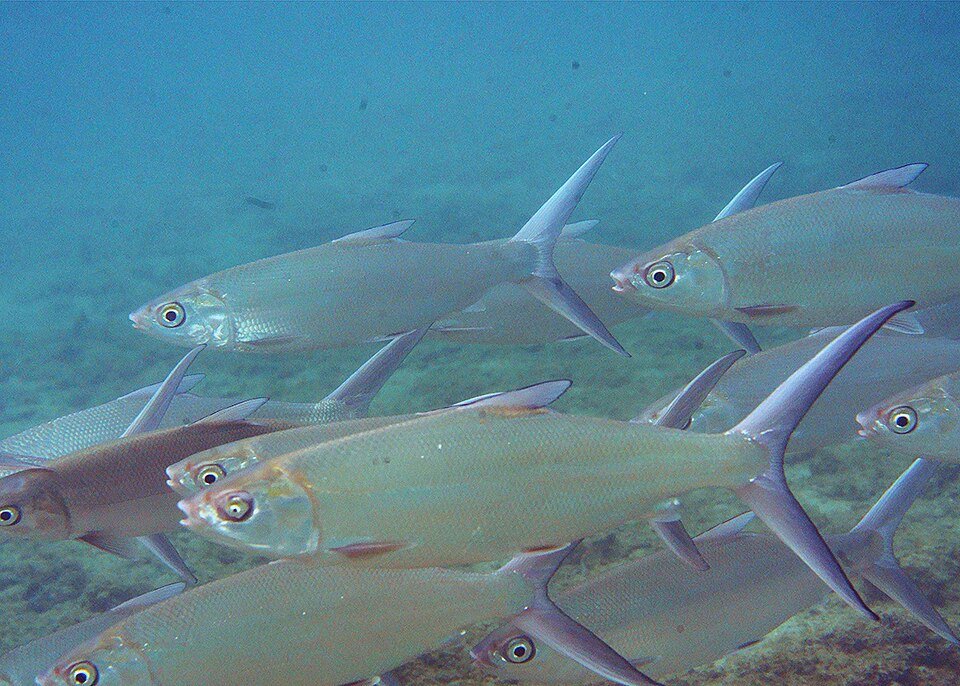
Photograph: Elisabeth Morcel · CC BY-SA 4.0. Depicted: Chanos chanos. Wikimedia-provided thumbnail downloaded without further image edits; source page records any earlier changes.

- Hardy herbivore farmed in brackish ponds and pens across South and Southeast Asia.
- Low position in the food chain gives it a strong resource-efficiency profile.
Ornamental fish
Many species, e.g. Poecilia reticulata (guppy), Betta splendens
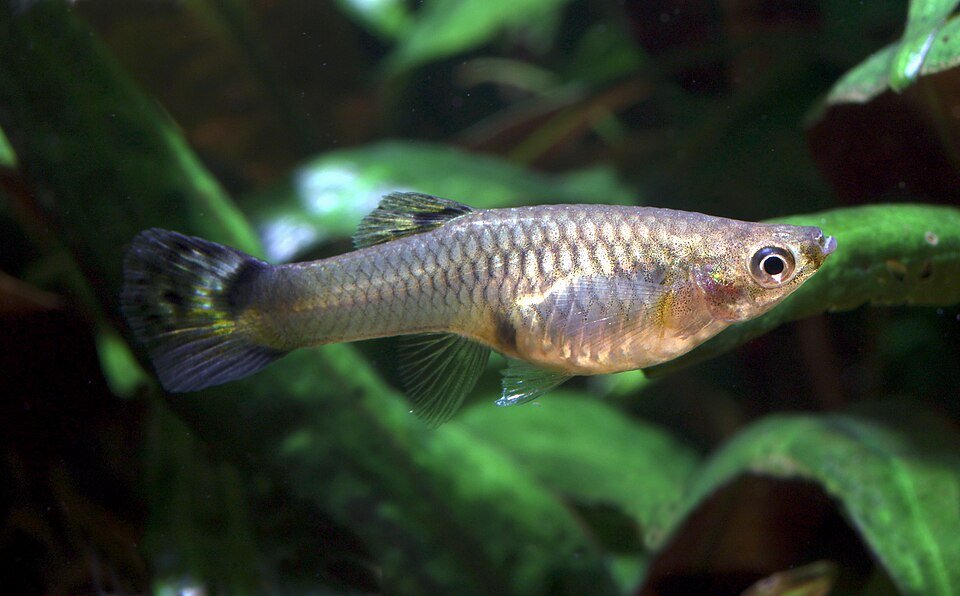
Photograph: Holger Krisp · CC BY 3.0. Depicted: Poecilia reticulata. Wikimedia-provided thumbnail downloaded without further image edits; source page records any earlier changes.

- Small-scale, high-value-per-fish production suited to backyard units and urban areas.
- Demands breeding knowledge, water quality skill and market connections rather than land.
- Native species collection must respect conservation rules.
Seaweed
e.g. Kappaphycus alvarezii, Gracilaria spp.
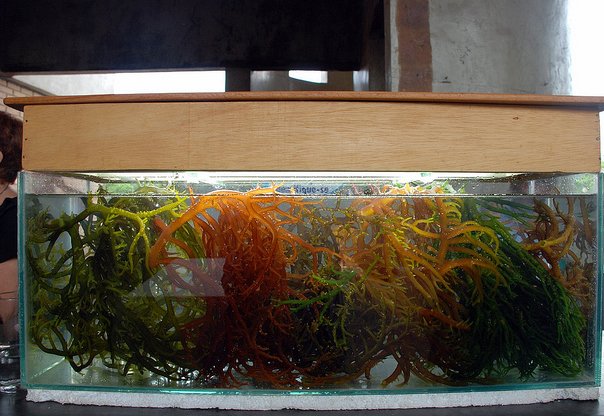
Photograph: Secretaria de Agricultura e Abastecimento Agriculturasp · CC BY 2.0. Depicted: Kappaphycus alvarezii. Wikimedia-provided thumbnail downloaded without further image edits; source page records any earlier changes.

- Requires no feed and absorbs nutrients from seawater; cultivated on rafts and lines along Indian coasts.
- Relevant to integrated multi-trophic aquaculture and to coastal livelihoods.
Bivalves
e.g. Perna viridis (green mussel), Crassostrea spp. (oysters)
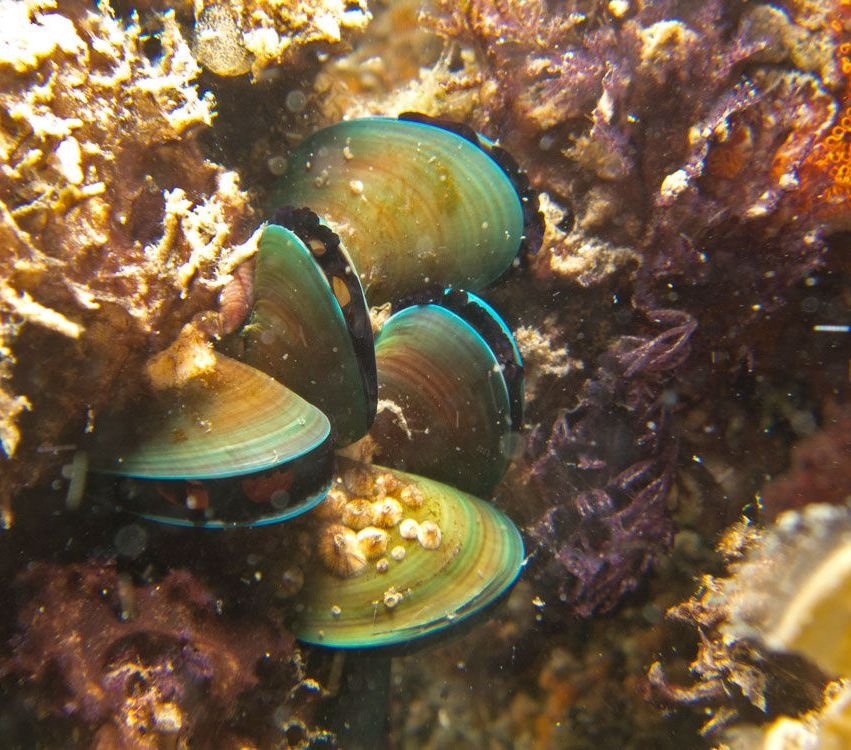
Photograph: Chaloklum Diving · CC BY 3.0. Depicted: Perna viridis. Wikimedia-provided thumbnail downloaded without further image edits; source page records any earlier changes.

- Filter feeders that need no feed input and can improve water clarity.
- Culture on ropes, racks and trays in estuaries; food safety depends on water quality monitoring.
The wider industry context
India is among the world's largest aquaculture producers, with Andhra Pradesh the leading state for both freshwater fish and shrimp. Policy, hatchery regulation, export inspection and disease surveillance are coordinated by national and state bodies. Species that are non-native or carry ecological risk are subject to permissions. Anyone considering a new species should verify its legal status and seed availability before planning.
Statistics about production volumes change every year. This portal cites only dated, attributed figures and encourages readers to consult the latest official publications.
Emerging possibilities
Integrated multi-trophic aquaculture, which pairs fed species with extractive species such as seaweed and bivalves, is attracting research interest. Domestic markets for processed and value-added fish products are growing. These trends widen the range of species and roles that aquaculture may support in the coming decades.