About · Local context
Rajam's Aquaculture Opportunity
Rajam sits in the Vizianagaram district of northern Andhra Pradesh, in a region shaped by freshwater resources, farming communities and proximity to the state's wider aquaculture economy. This page describes the foundations that would matter for responsible, future-ready aquaculture in the area, and the questions that should be answered before any system is built.
Freshwater resources
Freshwater is the starting point for most aquaculture in inland Andhra Pradesh. Tanks, reservoirs, canals and groundwater can support carp, tilapia and catfish culture when water quality, seasonal availability and competing uses are properly understood. Freshwater does not automatically support marine shrimp or mud crab, which require brackish or saline conditions; species choice must follow the water that is actually available.
Any aquaculture plan for Rajam should begin by characterising local water: source reliability, temperature range, dissolved oxygen, pH, alkalinity, hardness, turbidity and the presence of agricultural or domestic contaminants. Recirculating systems reduce how much water a farm consumes, but they still require clean replacement water and a responsible way to handle waste.
Skills and knowledge
Modern aquaculture rewards knowledge as much as land. Operating a RAS, a biofloc unit or an intensively managed pond depends on people who understand water chemistry, feeding, animal health, pumps, aeration, electrical safety and record keeping. Building these skills locally, through practical learning and shared experience, is one of the most valuable long-term investments a region can make.
Seed and hatchery access
Reliable access to healthy fish seed and shrimp post-larvae determines whether a farm can stock on time with animals that grow well. Understanding how hatcheries and nurseries work, how seed quality is assessed and how transport stress is reduced helps farmers ask the right questions of suppliers.
Water and health testing
Testing turns guesswork into management. Basic water testing kits, dissolved oxygen meters and periodic laboratory analysis allow farmers to see problems early. Disease diagnosis and feed analysis require specialist support. Knowing which tests matter, how often to perform them and how to interpret results is a core theme throughout this portal.
Maintenance and technical support
Pumps, blowers, aerators, filters and sensors need maintenance. Intensive systems in particular fail quickly when equipment is neglected. Local mechanical and electrical capability, spare-part availability and planned maintenance routines are as important as the initial design of any system.
Market connections
Production is only worthwhile when harvests reach buyers in good condition at acceptable prices. Understanding local and regional demand, preferred sizes, seasonal price patterns, cold-chain requirements and traceability expectations should shape species and system choices from the outset, not after harvest.
Measured demonstration before expansion
The most responsible path for a region exploring new systems is measured demonstration: small, well-documented units that record water quality, feed use, growth, survival, energy consumption and costs over complete production cycles. Demonstration builds local evidence and local skills. It allows expansion to follow results rather than enthusiasm.
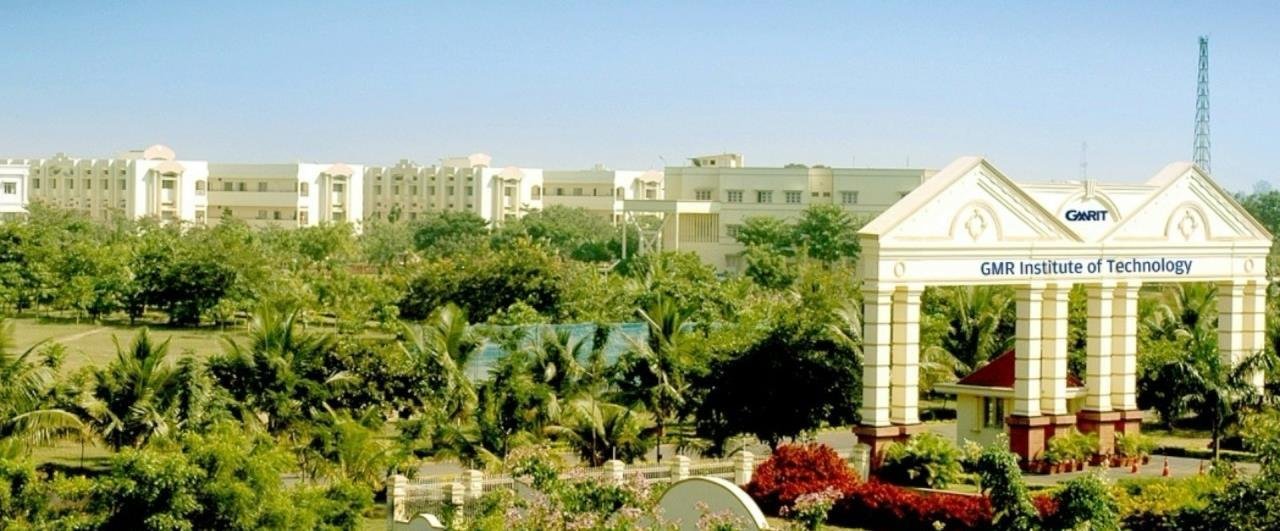
This portal does not describe any completed facility in Rajam. The images used across the site are illustrative, and no project, partnership or installed capacity should be inferred from them.